
By Will Barber-Taylor
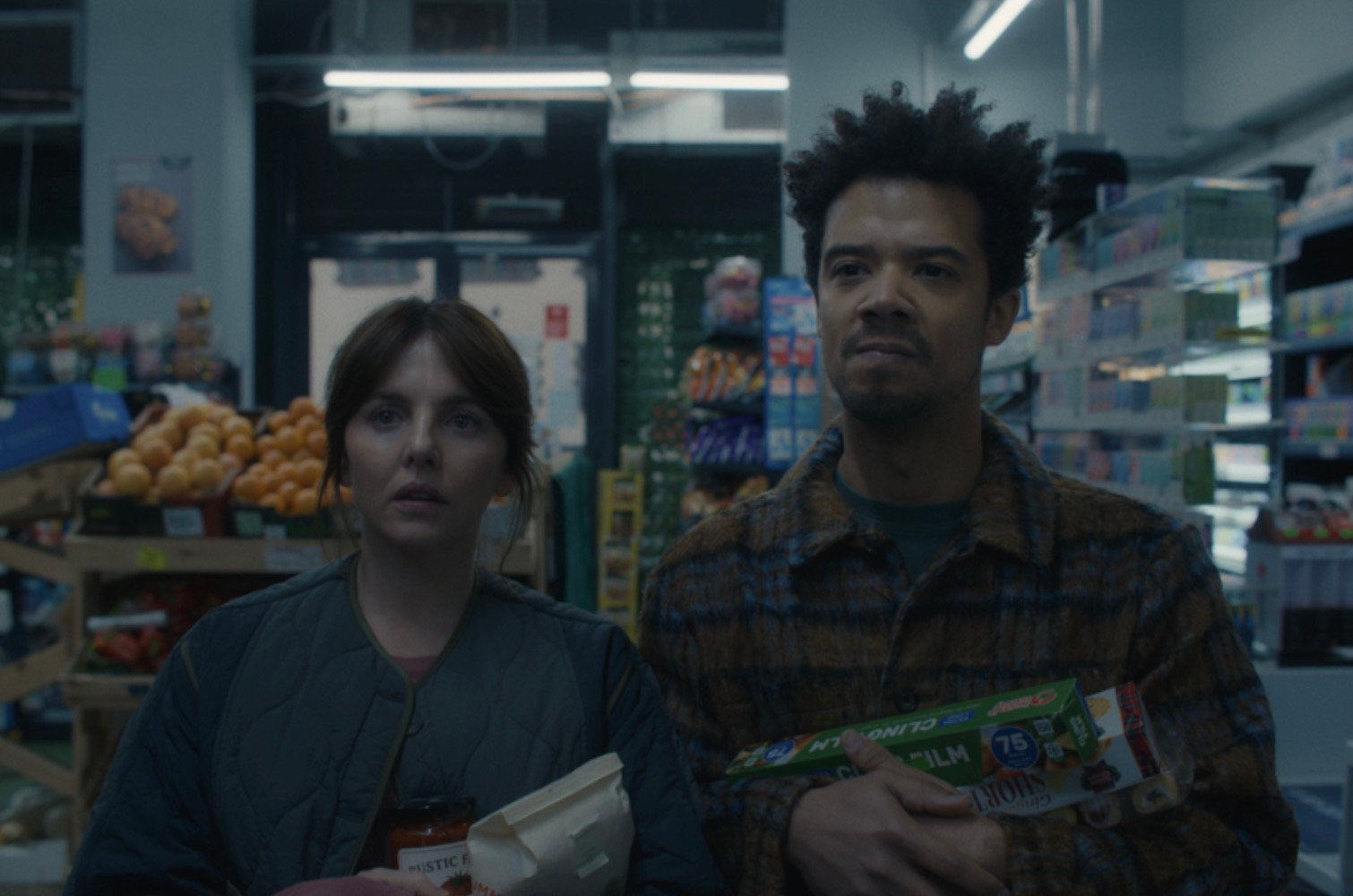
STILL LIFE is a darkly comic, deeply personal short film exploring life in the aftermath of stillbirth. The film follows Jess and Max navigating grief, unexpected forms of parenthood, and the quiet absurdities that come with loss.
From real-life experience, Still Life aims to open up a conversation about a subject rarely portrayed on screen.
There are often subjects that are overlooked or considered taboo which means that they never get the full recognition on the screen that they deserve. Cinema can be a truly unifying experience and one that brings us together, educates us and provides us with an insight into the lives and experiences of people that we may have been unaware or whose experiences we can only learn about through authoritative voices. Still Life is such a film, one that deals with the deeply traumatic and shamefully cinematically underexplored issue of stillbirth. At a time when society as a whole is grappling with parenthood and issues around childbirth and birth rates have become political footballs, it is incredibly refreshing that a film focuses so much on the deep emotional cost of stillbirth.
Centred on the experiences of Jess (Ophelia Lovibond) as she finds a path through grief, Sophie King and Kate Radcliffe’s film gives voice to the emotional turmoil and the linguistic absurdities that often come with loss. The opening, contrasting Jess and Max’s (Jacob Anderson) hospital visit prior to the stillbirth with Jess visiting a yoga instructor after the stillbirth, is incredibly profound in how it focuses on the language that is so often thrown about in everyday conversation – the yoga instructor’s references to pregnancy and children seem innocuous enough but intercutting them with closeups on Jess’ face, knowing her inner pain, makes it so incredibly powerful. The dynamic between King’s brilliant direction and Radcliffe’s sensitive script is fully brought to life by Lovibond who gives a masterclass in sensitivity. The pain behind her eyes in those opening moments all the way through to when she finally fully lets it out at the end of the film has a tragic beauty to it; Lovibond perfectly conveys the emotional honesty of the script and brings the raw pain that Jess feels fully to life, showing the different shades and types of pain that can be felt because of stillbirth.
Still Life is a profoundly important film that with an intense honesty mixed in with genuine moments of absurd humour conveys the pain of stillbirth in a way that can only elicit empathy from anyone who watches it. It is a triumph of a short film and is a credit to the talented and dedicated professionals that produced it.

